
Hotels and Accommodations: Staying with Your Dog Near Jasmine Animal Referral Hospital in Yokohama, Japan
Finding pet-friendly hotels in Japan can be tricky and takes more effort than in other countries, but Yokohama stands out as one of the more accommodating cities for travelers with dogs. It’s also the second largest city in Japan (next to Tokyo).
Located south of Tokyo, Yokohama offers reliable public transportation, walkable neighborhoods, waterfront parks, and access to specialty veterinary care like Jasmine Animal Referral Hospital making it a practical base for pet parents traveling for MVR surgery.
Many members of the Mighty Hearts Project community have expressed challenges with finding housing options that allow dogs, and this article is intended to help with the booking process.
This guide focuses on verified pet-friendly hotels and apartment-style accommodations in Yokohama, with special attention to transport access and proximity to Jasmine Animal Referral Hospital, one of the few centers in the world performing canine mitral valve repair surgery.
As we confirm pet friendly accommodations, and gather additional locations that accept dogs, this article will be updated with additional hotels and locations.

What to Expect From Pet-Friendly Hotels in Japan
Pet-friendly accommodations in Japan follow strict rules. It can greatly help to get your dog certified as a Service Animal, as in most cases dogs certified are not considered pets and will be allowed into more places. Even when pets are allowed, expectations are clearly defined:
- Most hotels accept small dogs only (typically under 10 kg / 22 lbs)
- Pets may not be left unattended in the room
- Cleaning or pet fees are common (check with hotel before booking)
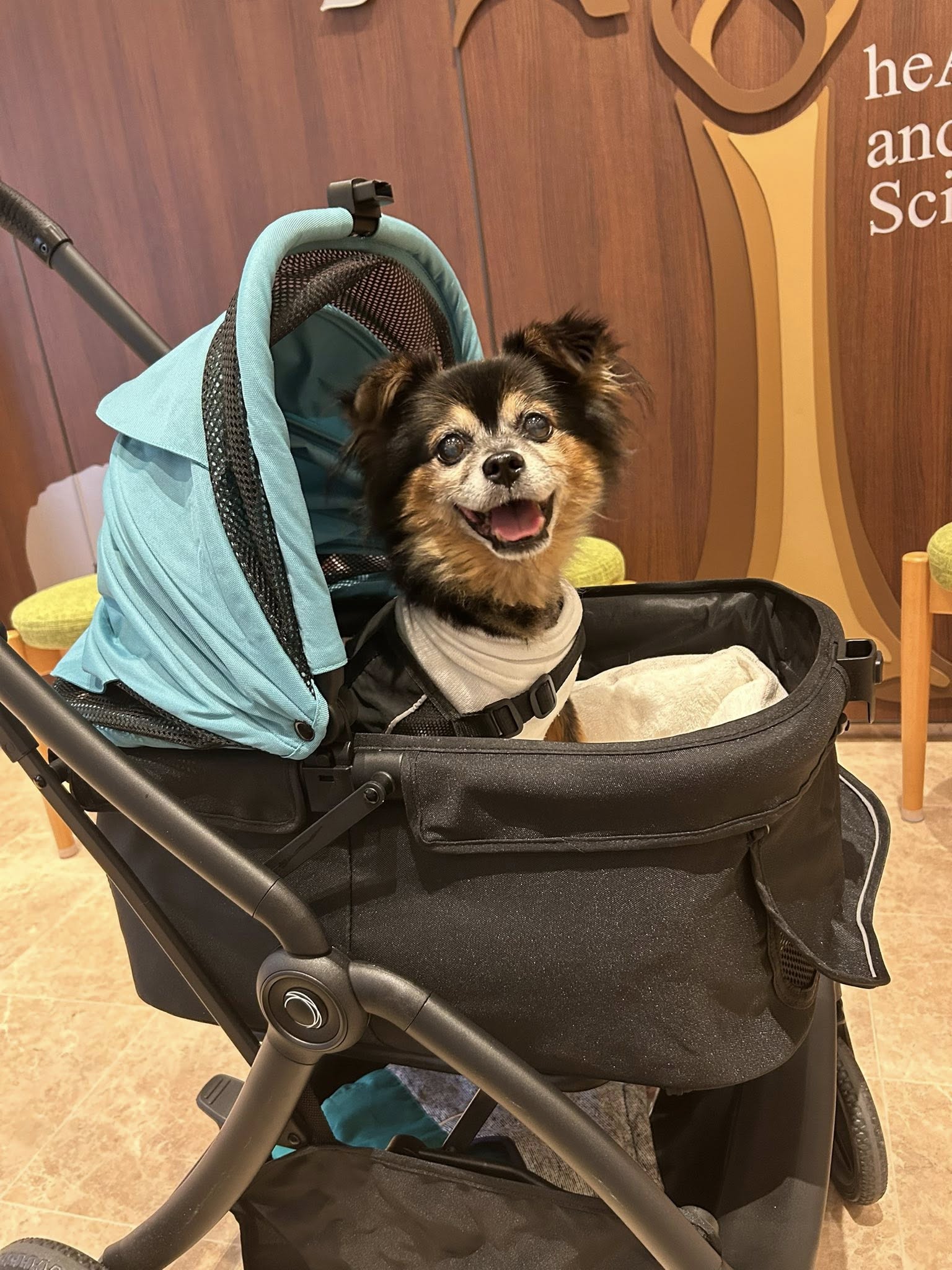
- Dogs must be carried in a bag or carrier in public areas (ex: stroller)
Hotels that allow pets tend to enforce these rules consistently, which creates a calmer and cleaner environment for everyone.
Jasmine Animal Referral Hospital: Location & Transit
Jasmine Animal Referral Hospital is located in Tsuzuki Ward, Yokohama, and is widely used for specialty care, advanced diagnostics, and emergency referrals such as mitral valve repair surgery. The nearest stations are Nakagawa (across from Jasmine), Center-Minami or Center-Kita, all served by the Yokohama Municipal Subway (Blue and Green Lines).
Staying within 30–50 minutes by subway is realistic and common, and many central Yokohama hotels fall within this distance. Subway transportation is easily accessible,affordable using the Suica or Pasmo cards, and operational from 6:00am – 12:00am daily.
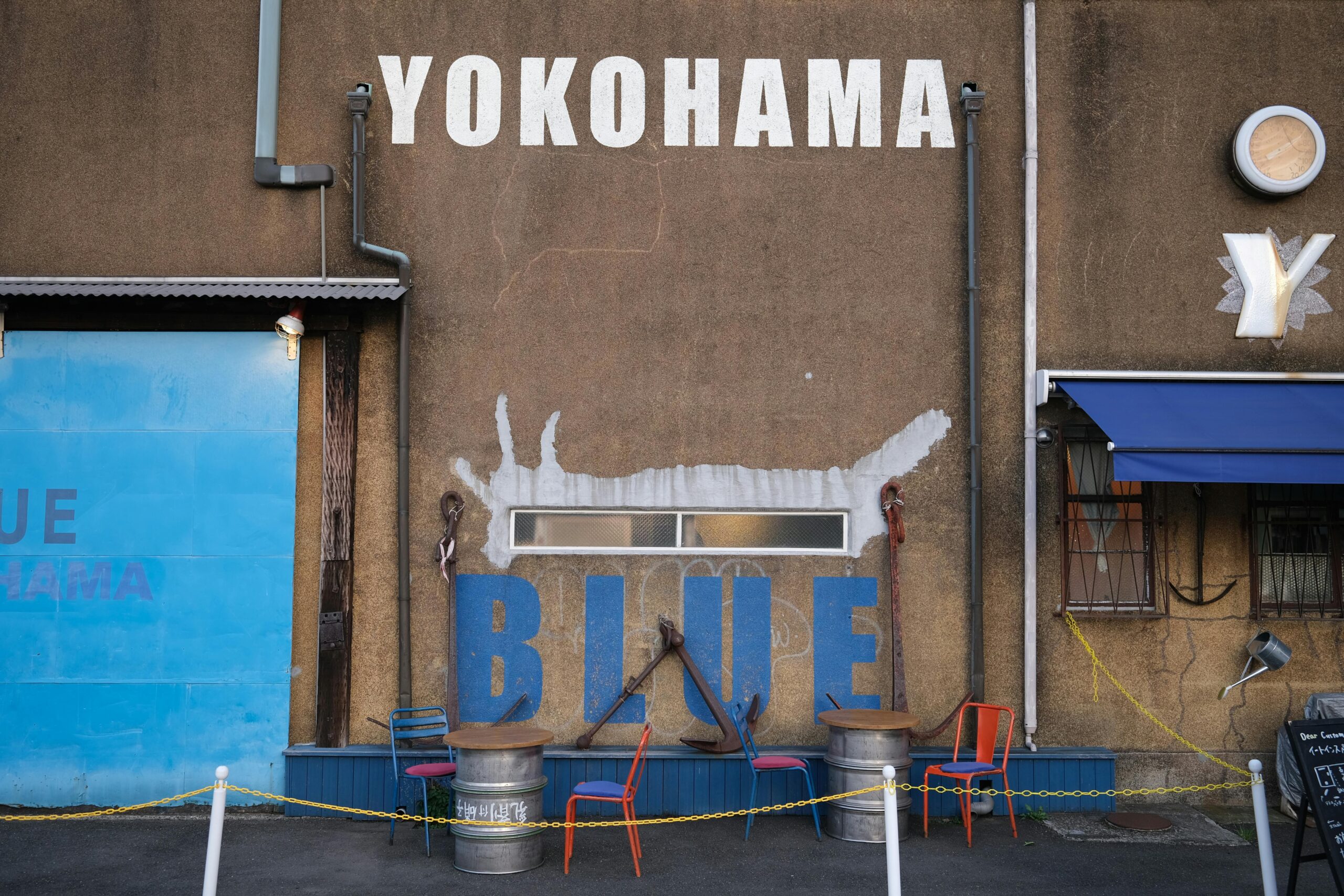
Pet-Friendly Hotels & Accommodations in Yokohama
The properties below are known to accept pets based on published policies and traveler reports. Please ensure to always confirm details directly before booking, as rules and fees can change from time to time. Availability can also vary based on seasonality and demand.
It’s best to reach out to the corresponding hotel via email or phone before booking, as many centrally located hotels will have English speaking accommodations. Based on Japanese rules and regulations refunds are not legally required and always dependant on business policies.
Comparison Chart
| Hotel / Property | Type | Pet Policy Summary | Contact Info | Approx. Distance to Jasmine | Subway / Train Travel |
| HOTEL LiVEMAX Yokohama Stadium Mae | Hotel | Small dogs ≤10 kg, pet fee required | +81-45-662-6390 | ~14 km | 35–40 min |
| HOTEL LiVEMAX Yokohama Motomachi Ekimae | Hotel | Up to 2 small dogs, fee applies | +81-45-662-1960 | ~15 km | ~40 min |
| HOTEL LiVEMAX Yokohama Kannai | Hotel | Small dogs only | Website booking | ~13 km | 35–40 min |
| HOTEL LiVEMAX Yokohama Kannai Ekimae | Hotel | Small dogs only | Website booking | ~13 km | 35–40 min |
| HOTEL LiVEMAX Shin-Yokohama | Hotel | Small dogs only | Website booking | ~11 km | 30–35 min |
| HOTEL LiVEMAX Yokohamaeki-Nishiguchi | Hotel | Small dogs, limited rooms | Website booking | ~12 km | 30–35 min |
| Daiwa Roynet Hotel Yokohama-Koen | Hotel | Pet rooms available (confirm) | +81-45-664-3745 | ~14 km | ~40 min |
| YokohamaKannai House Bar | Apartment | Dogs and cats allowed | Booking platform | ~13 km | 35–40 min |
| Han Homes Yokohama | Apartment | Pet-friendly units | Booking platform | 12–15 km | 35–45 min |
| JS House Yokohama | Entire House | Dogs allowed | Booking.com listing | ~16 km | 45–50 min |
| Yokohama Paradise 101 / 202 / 203 | Apartment | Pet-friendly units | Booking platform | 14–16 km | 40–45 min |
| Yokohama HY House (Tsurumi) | Guesthouse | Pets allowed | Booking platform | ~18 km | 45–55 min |
| Su House Yokohama (Vacation Stay) | Apartment | Pets allowed | Booking platform | ~15 km | 40–45 min |
HOTEL LiVEMAX: The Most Reliable Hotel Chain for Pets
Among traditional hotels, HOTEL LiVEMAX is the most consistent option for pet owners in Yokohama. Multiple locations allow dogs, policies are clearly documented, and booking is straightforward.
Advantages
- Predictable pet rules
- Convenient station access
- Affordable nightly rates
- Multiple locations across the city
Limitations
- Small room sizes
- Strict weight limits
- Limited amenities
For short stays or trips centered around veterinary visits, LiVEMAX properties near Kannai, Motomachi, Shin-Yokohama, or Yokohama Station are especially practical.
Citadines Harbour Front Yokohama
Citadines Harbour Front Yokohama is a well-rated hotel and serviced residence in Naka Ward, Yokohama, close to key attractions like Chinatown, Yamashita Park, and the waterfront.
It’s known for spacious rooms, many of which include kitchenettes and in-room laundry facilities, and for its convenient proximity to Nihon-odori Station on the Minatomirai Line, making it easy to reach other parts of the city without a car.
Phone: +81-45-680-3322
Address: 5-2 Nihonodori, Naka Ward, Yokohama, Kanagawa 231-0021, Japan
Accommodation Style and Amenities
Citadines Harbour Front Yokohama offers hotel amenities with apartment style flexibility. Many rooms feature kitchen facilities, washers and dryers, and dedicated living space ideal for travelers who want more than a standard hotel room.
The property also offers a 24-hour front desk, free Wi-Fi, a fitness area, lounge spaces, and laundry facilities.
Note: while the hotel is not listed as pet-friendly, service animals may be permitted.

Apartment-Style Stays: More Flexibility and Space
For longer stays or for pets that don’t fit hotel size restrictions, apartment-style accommodations are often a better option. Apartment-style housing can typically be found on major listing websites like Airbnb and Booking.com.
Often, private accommodations will be cheaper compared to renting a hotel with daily costs, offering extended stay discounts.
These properties typically offer:
- More space for rest and recovery
- Greater flexibility for larger dogs or multiple pets
- A quieter environment than business hotels
However, policies vary by host, and communication before booking is essential. Properties like JS House Yokohama, House Bar Kannai, and Han Homes Yokohama are commonly used by travelers with pets.
Below is a list of booking websites where you can search specifically for pet-friendly vacation rentals, apartments, and homes in Japan — alternatives to Airbnb and sites that include filters or dedicated listings for pets allowed:
NOTE: Always contact the host prior to booking to ensure that staying with your dog will be permitted as rules and guidelines may change or listings may include outdated information.
Vacation Rental & Pet-Friendly Booking Sites
- Airbnb (Japan) — Airbnb itself allows you to search for pet-friendly stays by looking for listings with “pets allowed” in the house rules and filter results accordingly.
- BringFido — A travel site dedicated to pet-friendly lodging, including vacation rentals and Airbnb-style homes; you can filter for properties that allow dogs of any size.
- Varoom — Lists thousands of pet-friendly holiday homes, villas, cottages, and vacation rentals throughout Japan.
- Casai — Offers a large selection of pet-friendly rental homes and apartments suitable for stays similar to Airbnb, with amenities and various sizes.
- PetFriendly (petfriendly.io) — A dedicated platform that aggregates pet-friendly rental homes, cottages, cabins, condos, and even hotels across Japan.
Tips for Using These Sites
- Search Filters: On sites like BringFido, PetFriendly, Varoom, and Casai, there are often filters for “pet-friendly” or “pets allowed” that make it easier to narrow down only properties that accept animals.
- Airbnb Searches: Airbnb does not always show a built-in pet filter in every region, but many listings mention pet policies in the house rules section, and you can often search within Airbnb’s search bar for “pet friendly” or “pet allowed” after entering dates and location.
- Direct Communication: Especially in Japan, even listings that say pet allowed may have restrictions (size of pet, number of pets, additional fees), so it’s best to message the host directly to confirm before booking.
Getting Around Yokohama With a Pet
Yokohama’s public transportation system is efficient and reliable, but pets must follow strict rules. A pet stroller will be extremely helpful to allow for easier travel and access to more places (cafe’s, hotels, stores, malls, and parks). Strollers will also be immensely useful as your dog recovers post mitral valve repair surgery after discharge.
- Dogs must be fully enclosed in carriers on trains and subways
- Soft carriers, strollers or backpacks are commonly used
- Taxis are widely available if needed (inform the driver beforehand)
Traveling from central Yokohama to Jasmine Animal Referral Hospital typically involves one transfer at Yokohama Station and takes 30–50 minutes, depending on the route. Elevators are available at most locations including subway stations for easy access with a stroller.
Booking Tips for Pet Owners
- Confirm pet acceptance directly with the property
- Ask about weight limits, fees, and unattended pet rules
- Bring vaccination records and your pet’s own bedding
- Follow house rules carefully… Pet-friendly lodging in Japan requires responsible guests. Following rules in Japan is extremely important.
Traveling With a Service Animal in Japan
Traveling with a service animal in Japan is possible, but the rules and expectations differ significantly from those in countries like the United States, Canada, or the UK. Understanding these differences is essential when booking hotels and navigating public spaces in Yokohama.
Legal Recognition of Service Animals in Japan
Japan formally recognizes service animals under the Act on Assistance Dogs for Physically Disabled Persons. However, the law applies to specific types of assistance dogs only, which includes:
- Guide dogs for individuals with visual impairments
- Service dogs for individuals with physical mobility impairments
- Hearing dogs for individuals with hearing impairments
Emotional support animals (ESAs) are not legally recognized in Japan, and psychiatric service animals may not be treated the same way they are in other countries unless they clearly fall under one of the legally defined assistance categories.
Hotel Rules for Service Animals
Hotels in Japan are generally required to accept legally recognized assistance dogs, even if the property does not normally allow pets. That said, enforcement and understanding of the law can vary by hotel, especially outside of large international chains.
Important points to keep in mind:
- Hotels may request official documentation proving the dog’s status as a certified assistance dog in Japan or internationally
- The dog must be trained, well-behaved, and non-disruptive
- Service animals are typically allowed to stay without additional pet fees
- Your dog must remain under control at all times and may not be left unattended in the room. Following such rules is important.
While refusal is uncommon, misunderstandings do occur, particularly at smaller hotels or independently operated properties. You can utilize the Google Translate app to make communication easier with Japanese only speaking locations.
Differences Between Service Animals and Pet-Friendly Stays
In practice, many travelers with service animals choose pet-friendly hotels anyway, even when legally entitled to stay elsewhere. This approach can reduce friction and make communication smoother, especially if the dog does not fit Japan’s narrow legal definitions.
Key differences:
- Pet-friendly hotels often have size limits and fees, but expectations are clear
- Non-pet hotels may legally accept service animals but lack special accommodations, staff training or preparedness
- Apartment-style stays tend to be more flexible, especially for longer visits
For travelers who want to avoid uncertainty, booking a hotel that already accommodates dogs can be the simplest option. However, service animals will generally be accepted with proper notice and documentation presented.
Public Transportation and Service Animals
Service animals are permitted on public transportation in Japan, including subways and trains.
Please take note of the following conditions:
- The dog should wear visible identification or a working harness when possible
- The animal must remain calm and unobtrusive
- Staff may ask for documentation, particularly during peak travel times
Unlike pets, service animals do not need to be enclosed in a carrier, but courtesy and quiet behavior are expected at all times. Accommodations and rights with a service animal may be revoked if your dog is disruptive.
Practical Tips for Hotel Stays With a Service Animal
- Notify the hotel in advance, even if not legally required
- Carry translated documentation explaining the dog’s role and training
- Bring your own bedding, food bowls, and cleanup supplies
- Avoid peak check-in hours when possible to reduce stress
Hotels in Yokohama are generally professional and accommodating, but preparation goes a long way in ensuring a smooth stay.
Final Notes
While pet-friendly accommodations may be limited in Japan, Yokohama offers more options than most major cities. With careful planning, it’s possible to stay comfortably with your dog while maintaining easy access to veterinary care, transportation, and walkable neighborhoods.
This list provides a practical starting point for choosing a stay that works for both you and your pet without unnecessary stress. There may be other hotel options available and we’ll update this article to include additional hotels and accommodations in the future.