University of Florida Mitral Valve Repair Surgery Overview
The University of Florida Small Animal Hospital in Gainesville, FL, is the only veterinary center in the United States offering open-heart mitral valve repair surgery, an advanced surgical option for dogs suffering from degenerative mitral valve disease (MVD), the most common heart disease in dogs.
Mitral valve disease eventually causes the heart’s mitral valve to leak (called mitral regurgitation), which can lead to congestive heart failure, coughing, difficulty breathing, and fatigue. While many dogs are managed medically, surgical repair directly addresses the valve defect and can significantly improve quality of life and survival.
What Makes The UF Mitral Valve Repair Program Unique
This open-heart surgery program is unique because it brings mitral valve repair surgery to the U.S., so owners no longer need to travel overseas for this complex treatment. The operation requires cardiopulmonary bypass and a highly coordinated team of specialists.
In its first year (as of April 2023), UF’s program performed over 40 surgeries with positive success rates based on internal reporting. Dogs are often able to reduce or even discontinue heart medications after successful repair.
Important Program Links

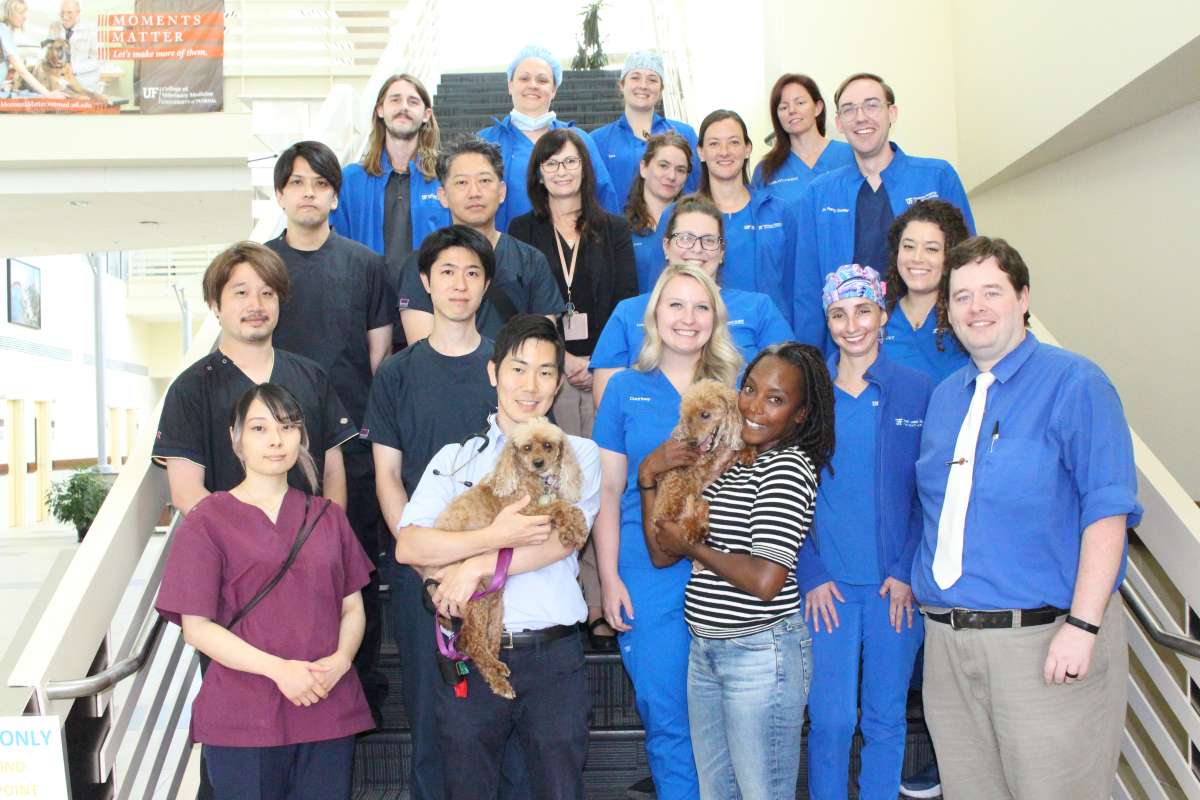
Dr. Katsuhiro Matsuura

Tomoe Kadowaki
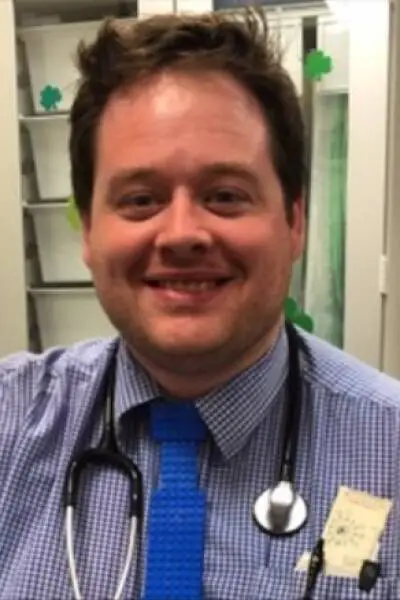
Michael Aherne
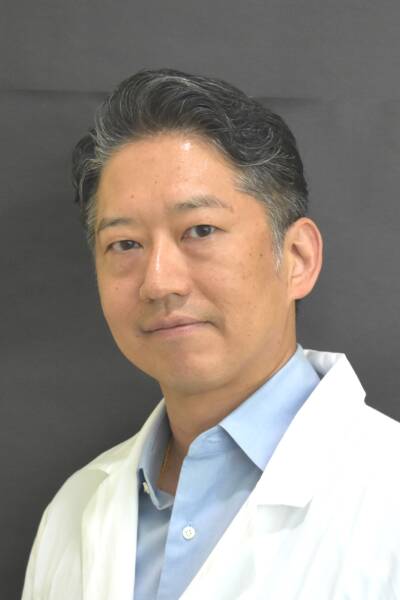
Dr. Hideki Yotsuida
The cost for mitral valve repair surgery is estimated between $45,000 and $52,000, which covers surgery and hospitalization. Follow-up diagnostics and care are additional.
This estimate does not include traveling expenses, external tests done before submission, or extended post-hospital care.
While surgery costs are typically higher at University of Florida compared to RVC UK and Jasmine in Japan, patients with medical insurance (example: Trupanion, Pets Best) are accepted, making the final surgery costs considerably less with insurance coverage.
Frequently Asked Questions
What is mitral valve disease (MVD)?
MVD is a degenerative condition where the heart’s mitral valve degenerates and leaks blood backward, causing the heart to work harder and eventually leading to congestive heart failure if severe.
How is surgery different from medical treatment?
Medical therapy helps manage symptoms and slow progression, but open-heart mitral valve repair addresses the underlying valve defect and can significantly improve long-term outcomes.
How long does surgery take?
The procedure — including bypass and repair — typically lasts several hours, and dogs remain in the hospital for about a week afterward for monitoring and recovery.
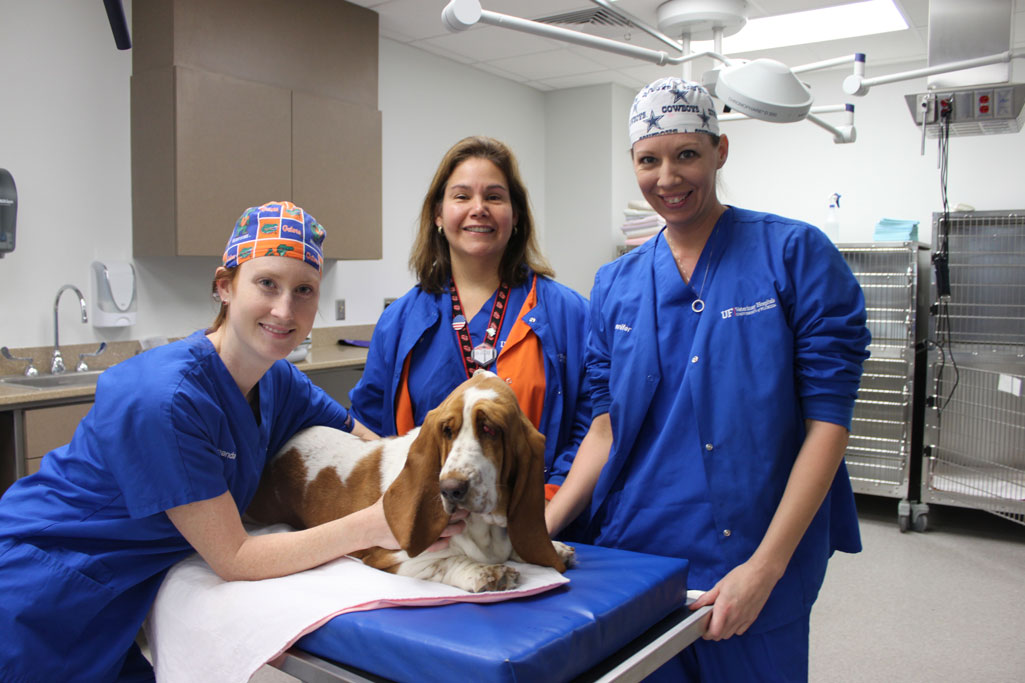
UF Small Animal Hospital’s address:
2089 SW 16th Ave., Gainesville, FL 32608
Travel Planning for the University of Florida Mitral Valve Repair Surgery
Traveling with a dog for mitral valve repair surgery can feel overwhelming especially when flying. This guide is designed to help pet parents plan a smooth, low-stress trip to Gainesville, Florida, home of the University of Florida Small Animal Hospital.
Flying Nationally with Your Dog to Gainesville, Florida
Most pet parents traveling to UF will arrive by air. Gainesville is accessible via several nearby airports, with both direct and connecting flight options available depending on your departure city.
Closest & Most Common Airports
Gainesville Regional Airport (GNV)
• Closest airport to UF (approximately 10–15 minutes by car)
• Limited direct flights; most travelers connect through larger hubs
Jacksonville International Airport (JAX)
• About 1.5–2 hours from Gainesville by car
• More nonstop and airline options
Orlando International Airport (MCO)
• About 2 hours from Gainesville
• Ideal for travelers needing the widest selection of airlines and schedules
Tampa International Airport (TPA)
• About 2–2.5 hours from Gainesville
• Another strong option for nonstop routes
Ground Transportation Options
Once you arrive in Florida, several transportation options are available.
Rideshare & Taxi Services
- Uber & Lyft operate at all major airports listed above
- Availability in Gainesville is generally reliable
- You can request pet-friendly rides, but availability may vary
Car Rentals
- Renting a car is often the most flexible and least stressful option, especially for dogs recovering from travel
- All major rental car companies operate at GNV, JAX, MCO, and TPA
Shuttle Services
- Limited direct shuttle services to Gainesville
- Typically not recommended for dogs post-flight due to longer travel times
Flying with Dogs: What to Expect
Most dogs traveling for mitral valve repair fly in-cabin when under airline size limits. Cargo travel is generally discouraged for heart patients. Always consult with your dog’s cardiologist before flying to ensure that your pet is healthy enough to travel by plane.
Your veterinarian may prescribe medications like Trazadone to help your dog stay calm during the flight. In some cases, CBD supplements may also reduce stress during travel.
In-Cabin Travel Tips
- Use an airline-approved soft-sided carrier
- Schedule flights during cooler parts of the day
- Avoid long layovers when possible
- Speak with your cardiologist or surgical team before booking
Service Animals vs. Pets: Required Paperwork
If your dog is flying as a service animal, airlines require specific documentation.
DOT Service Animal Forms (Required)
- U.S. Department of Transportation (DOT) Service Animal Air Transportation Form
- Confirms the dog’s health, behavior, and training
- Must be submitted to the airline (often 48 hours before departure)
Some airlines may also request:
• Veterinary health certificate (especially for longer trips)
• Proof of vaccinations (rabies recommended)
⚠️ Emotional support animals are no longer recognized as service animals by most U.S. airlines.
If your dog is flying as a pet, requirements vary by airline but usually include:
• Pet fee (each direction)
• Carrier size compliance
• Advance reservation due to limited in-cabin pet slots
Most Dog-Friendly Airlines (U.S.)
While policies change, these airlines are commonly considered among the most pet-friendly for in-cabin travel:
- United Airlines – generous pet policies and good cabin space
- Southwest Airlines – simple booking process and transparent pet fee
- American Airlines – broad national route coverage
- Delta Air Lines – strong reliability and customer support
Always review airline-specific pet policies before booking.
IMPORTANT: PLEASE ENSURE YOU CONTACT THE AIRLINE 24 HOURS PRIOR TO TRAVELING TO INFORM THEM THAT YOUR DOG IS A SERVICE ANIMAL, SO THE AIRLINE CAN MAKE APPROPRIATE ACCOMODATIONS
Best Places to Book Flights
- Airline websites (direct booking allows easier pet coordination)
- Google Flights (best for comparing routes and prices)
- Expedia or similar aggregators (verify pet policies after booking)
Tip: After booking your flight, call the airline directly to confirm your dog’s reservation.
Dog-Friendly Places To Stay in Gainesville, FL
Here are some pet-friendly places to stay near the University of Florida in Gainesville, great options if you’re bringing your dog. Always call ahead to confirm pet policies (fees, weight limits, and rules) since they can change.
NOTE: Service animals should not incur any additional fees or deposits as required by ADA (American Disability) regulations.
Interactive map of dog friendly hotels near Gainesville, FL.
—
Close & Convenient (Near Campus)
(These are within ~1–3 miles of UF and good for visiting campus, clinics, or events)
1. Hotel Eleo At The University Of Florida
Modern hotel right by UF that welcomes dogs (policy includes pet fee and treats).
2. Comfort Suites Gainesville Near University
Highly-rated with pet-friendly rooms (usually allows 2 pets for a fee).
3. Hilton University of Florida Conference Center Gainesville
Comfortable option near campus with pet rooms available (fee applies).
4. Aloft Gainesville University Area
Trendy place that allows pets (often up to 2 pets, fee varies).
5. Hampton Inn & Suites Gainesville-Downtown
Downtown location with pet accommodations and extra walkability.
Other Pet Friendly Hotels in Gainesville
These are still good choices and often slightly further but still close enough to the University:
6. Drury Inn & Suites Gainesville
Popular with travelers and pets – known for friendly service and breakfast included.
7. Home2 Suites by Hilton Gainesville Medical Center
Suite-style hotel with space for pets – great for longer visits.
8. La Quinta by Wyndham Gainesville
Budget-friendly choice that typically welcomes pets (confirm current policy).
9. Red Roof PLUS+ Gainesville
Affordable and pet-friendly — often 1 pet stays free and a small fee for a second.
10. Comfort Inn University
Simple stay with pet accommodations near walking routes and green space.
11. TownePlace Suites by Marriott Gainesville Northwest
Good for extended stays and pets with extra room.
12. Days Inn by Wyndham Gainesville University I-75
Pet-friendly with low fees — handy if you’re driving in/out of town.
Dog-Friendly Dining Near UF
Many pet parents look for nearby dining options before or after appointments.
Popular Dog-Friendly Spots in Gainesville:
- The Top – Outdoor seating, casual comfort food
- Public & General – Dog-friendly patio, relaxed atmosphere
- Depot Park – Multiple food options, outdoor space for dogs
Always confirm current pet policies, as seating availability may change.
Final Travel Tips for Heart Dogs
- Keep travel days calm and unrushed
- Bring medications, medical records, and emergency contacts
- Avoid excessive walking before surgery
- Notify the UF surgical team if travel complications arise
Traveling for mitral valve repair is a big step but with proper planning, many dogs and families arrive safely and comfortably. The Mighty Hearts Project and UF team are here to support you every step of the way.
Financial Support For Dog Families
Access to mitral valve repair surgery in the U.S. is still limited, and programs like at UF help expand treatment availability and clinical knowledge.
However, cost in the U.S. is however much higher compared to other surgery locations, making affordability difficult without accepted insurance.
Many owners choose to fundraise or seek financial support ( to help cover costs, especially for urgent cases.
Important Planning Notes
- UF typically requires clear payment arrangements before surgery
- Travel, lodging, medications, and follow-up care should be factored into total cost planning
- Early outreach to nonprofits and lenders improves options and flexibility
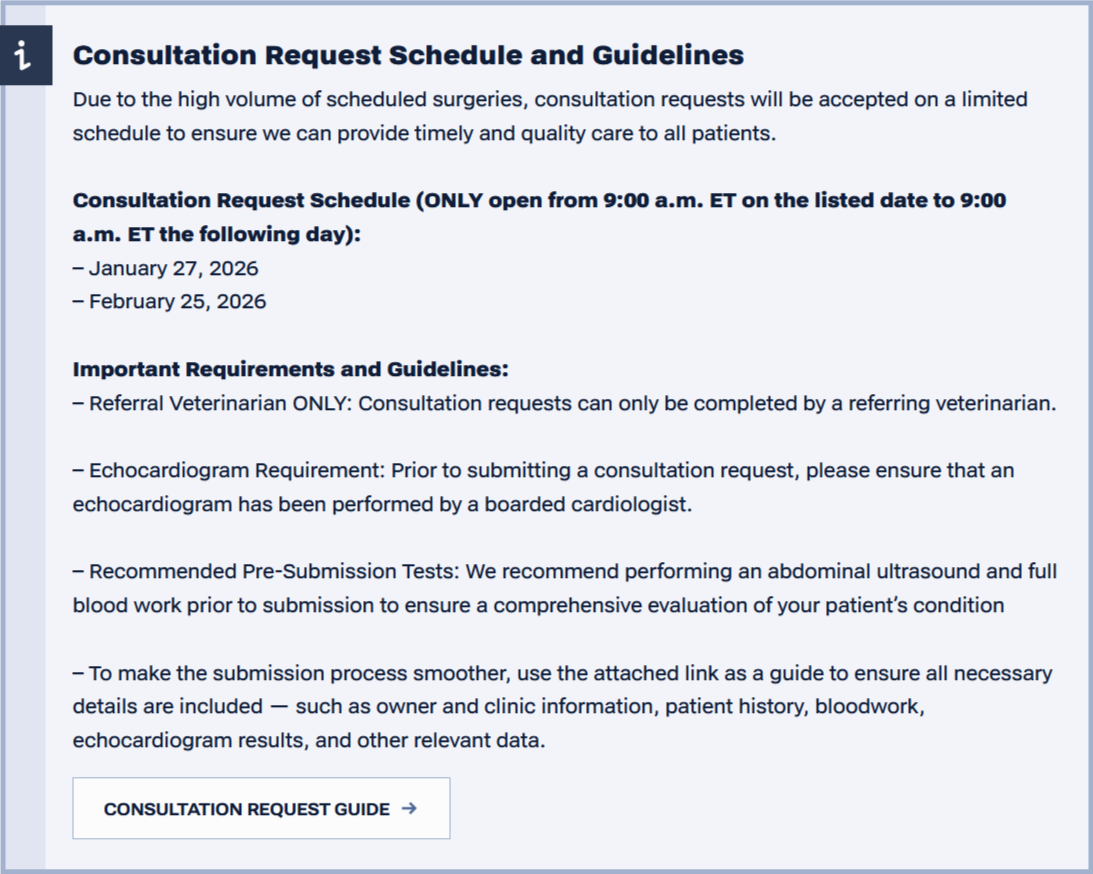
Get Started with MVR Surgery Application
If your dog has advanced mitral valve disease and you’re considering this type of treatment, speak with your cardiologist and have them begin the referral consultation process with the University of Florida Small Animal Hospital as early as possible – exam slots and surgical dates can fill many months out, generally 12 months without a wait list cancellation.
Request for Mitral Valve Repair Surgery Consult
MVR Consultation Request Guide
USDOT Service Animal Air Transportation Form